Clarify Your Vision - Purpose, Visualize Future & Values

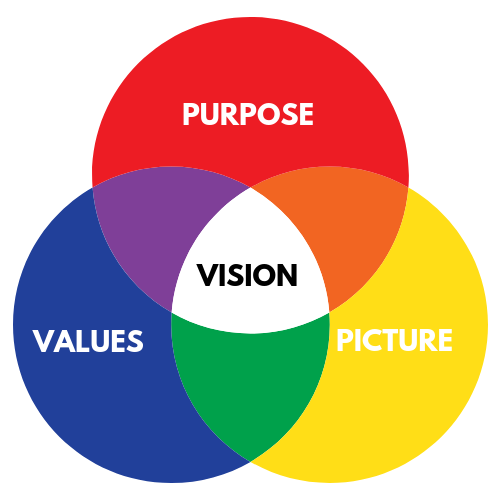
Vision is knowing who you are (your purpose), knowing where you’re going (your picture of the future), and knowing the principles you need to guide your journey (your values). Clarifying your vision is the first step toward achieving your goals.
Think of vision as your North Star, guiding you every step of the way and providing you direction whenever you get lost in the busyness of life. Setting an intention can powerfully guide your actions and keep you aligned with your vision.
Vision gives you clarity for the future while directing your attention to the present. Inspiration can spark the process of clarifying your vision, helping you see new possibilities and motivating you to take action. On the contrary, the lack of vision prevents you from achieving success or significance in life.
"If you have a clear vision of where you want to go, you are not as easily distracted by the many possibilities and agendas that otherwise divert you." - Timothy Gallwey.
3 elements of Vision
- Purpose — The first element is purpose. The purpose is the reason why you exist. As an individual, your purpose is your why. For businesses, the purpose is understanding what business you are in. A purpose isn’t focused on the individual or business. Instead, it’s all about making a difference and adding value. Develop a sense of what truly motivates you and why your purpose matters.
- Picture — The second element is your picture of the future. The key is to clearly visualize your ideal future. Imagine what your life or business could look like at its best. You need to have a clear picture of where you’re going and what you want to achieve. Dream big about the outcomes you desire and visualize things and ideal outcomes.
- Core Values — The third element — core values — are the tools you need to guide your decisions and actions. These principles shape your behavior and direct your actions to the right path. Examples of values are discipline, integrity, and honesty.
The purpose of Vision
It’s one thing to want something and it’s another to have a vision. Simply wishing for success to come into your life isn’t enough.
You need to have a vision that inspires you to achieve something greater than what you are and what you’ve accomplished. This is the purpose of vision — to paint a picture of the future that creates passion.
The world’s most successful people have clear vision statements that keep them focused on what truly matters. This is why it’s necessary to have a vision for your life.
Consider this vision statement by Sir Richard Branson:
“To have fun in my journey through life and learn from my mistakes.”
And Oprah Winfrey’s vision statement reads:
“To be a teacher. And to be known for inspiring my students to be more than they thought they could be.”
Having a vision statement allows you to focus on your vision, future, and values. Whatever your vision is, you need to put it into writing.
In the next sections, we’ll show you how to write a vision and mission statement for you and your business.
How to clarify your Vision
To clarify your vision and gain clarity about your goals and direction, answer the following questions below.
- Identify your purpose in life.
- What is your 'why'?
- What are your gifts?
- What energizes you?
- What are you passionate about?
Understanding your unique gifts and passions gives you the power to shape your own story and create meaningful change.
- Know where you’re going.
- How do you see yourself 5, 10, 20 years from now?
- What is your ideal future?
Moving forward with confidence toward your vision helps you stay motivated and intentional in your actions.
- Determine your core values.
- What principles do you need to have in order to achieve your goals?
- What principles or standards of behavior do you need to learn to get there?
Your values can guide your decisions about money, financial success, and living in alignment with your true desires.
Grab a pen and start writing your answers to these questions to take the first step toward clarifying your vision.

Learn About BHAGs- BigHairy Audacious Goals by Jim Collins
BHAG stands for Big, Hairy, Audacious Goals. The term was introduced best-selling author Jim Collins in his book titled “Good to Great, Built to Last.” Collins wanted to create a phrase that powerfully...

Mission Statement Importance - What It Is & Why It Matters
Introduction to mission statement Simply put, a mission statement is a short paragraph or sentence that highlights how you’ll achieve your vision. The mission is the means to the end (your vision). It’s...
Visualizing Your Future with a Vision Board
One of the most effective ways to clarify your vision and stay focused on your goals is by creating a vision board. A vision board is a powerful visual tool that helps you create clarity around your dreams, intentions, and the future you want to achieve. By gathering images, words, and symbols that represent your aspirations, you can build a clear picture of your ideal life, career, and relationships—all in one inspiring place.
To begin, set aside some time to reflect on the past year and think about what truly matters to you. High achieving leaders often use vision boards to stay motivated and keep their most important goals front and center. Start by collecting magazines, scissors, glue, and a large piece of cardboard or poster board. As you flip through the pages, cut out anything that resonates with your vision—whether it’s a word that captures your mindset, a photo that inspires you, or an image that represents a key milestone you want to accomplish.
As you create your vision board, keep your core values and priorities in mind. Ask yourself: What is my clear vision for the future? What are my non-negotiables? What kind of person do I want to become, and what difference do I want to make in my family, business, or community? This process is not just about dreaming—it’s about identifying the direction you want to move in and the values that will guide you along the journey.
Once your vision board is complete, place it somewhere you’ll see every day—your office, bedroom, or workspace. This daily reminder will help you stay focused, stay motivated, and keep your vision statement top of mind. Use your vision board as a tool for reflection and accountability: check in regularly to track your progress, update your goals, and celebrate your achievements. If you ever feel overwhelmed or unsure, your vision board can serve as your north star, helping you regain clarity and confidence.
In addition to your vision board, take time to write down your vision statement and specific goals. Free write about your dreams, your plan to generate revenue, or the new actions you want to take in the next three years. Be as specific and positive as possible—reverse engineer your big dreams into actionable steps, and create a to do list that supports your journey. If you need extra support, consider finding an accountability partner or joining a team that shares your passion and priorities.
Overcoming Obstacles and Resistance
Every journey toward a clear vision is met with challenges—moments when you feel overwhelmed, unsure, or tempted to give up. Overcoming obstacles and resistance is a critical part of achieving your vision and building a life or business aligned with your core values. High achieving leaders know that setbacks are not roadblocks, but opportunities to gain clarity, strengthen resolve, and refine their direction.
The first step is to identify what’s holding you back. Is it self-doubt, fear of failure, limited resources, or a lack of support? Reflect on the past year and pinpoint the sources of resistance that have slowed your progress. By naming these obstacles, you begin to take away their power and create space for new solutions.
Next, develop strategies to move forward. Use your vision board as a daily reminder of your goals and the future you want to create. Free write about your challenges and dreams to clarify your vision and generate new ideas. Break big goals into smaller, actionable steps with a to do list, and prioritize tasks that will make the biggest difference. This process helps you stay focused and motivated, even when the path gets tough.
Support is essential. Find an accountability partner, mentor, or join a team that shares your passion and priorities. These relationships provide encouragement, honest feedback, and practical resources to help you stay on track. Don’t hesitate to seek out tools—like goal setting worksheets, planning apps, or financial resources—to help you generate revenue and achieve your important goals.
As you encounter obstacles, use your vision statement as your north star. Reverse engineer your goals by starting with your desired outcome and working backward to identify the steps needed to get there. This approach creates clarity and helps you plan with intention, so you can make steady progress even when you feel stuck.
Cultivating a growth mindset is key. Embrace challenges as opportunities to learn and grow, rather than setbacks. Reflect on what’s working and what needs to change, and adjust your plan as needed. Stay curious, passionate, and open to new ideas—these qualities will help you overcome resistance and keep moving forward.